Oct 12, 2026
Cast Iron vs Aluminum vs Resin Garden Decor: Which Lasts?
Compare cast iron, aluminum, and resin garden decor on durability, weight, finish, and cost. Learn which material suits your market and wholesale needs.
Every garden decor buyer eventually faces the same question: cast iron, aluminum, or resin? The right answer depends on your market, price point, and how long you want products to last on store shelves and in customers yards. For importers and retailers in the United States, Africa, and Europe, cast iron garden decor remains the benchmark for premium weight and decades of outdoor service, but each material has a place in a balanced catalog.
Weight and Durability Compared
Cast iron is the heaviest of the three, typically two to four times denser than aluminum by volume. That mass keeps statues, planters, and bird baths stable in strong wind and gives them a premium feel customers notice immediately. Aluminum resists rust naturally but dents easily and can blow over in storms. Resin is the lightest and effectively unbreakable in shipping, yet it fades under UV light and becomes brittle after a few seasons of freezing and thawing. For permanent outdoor displays, cast iron clearly outlasts both rivals.
Cost and Lifespan Over Time
Resin wins on unit price, which is why it dominates big-box seasonal aisles. But its realistic service life outdoors is three to five years before fading and cracking force replacement. Aluminum sits in the middle, often lasting ten years or more. Cast iron carries the highest upfront cost, yet a well-finished piece can serve for thirty years with basic care, and it retains resale value on the secondhand market. Calculated over a decade, cast iron garden decor frequently costs less per year of service than either alternative.
Finishes and Design Flexibility
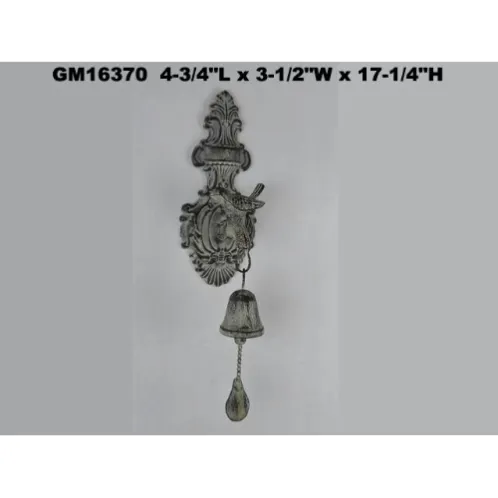
Sand casting allows cast iron to capture fine detail, including animal fur texture, leaf veins, and ornate scrollwork, that thin aluminum moldings and resin tooling struggle to match. Cast iron accepts a wide range of finishes, from black powder coat and antique verdigris to distressed hand-painted patinas. Aluminum is easier to polish for a bright contemporary look, while resin is limited to paint and faux finishes that wear off over time.
Which Material Suits Your Market
Premium garden centers, farmhouse retailers, and heritage-style shops should lead with cast iron. Mass-market chains chasing seasonal volume will continue to favor resin. Aluminum suits mid-range hospitality projects, coastal patios, and modern minimalist designs where weight is a drawback. Many successful importers carry all three tiers, using cast iron pieces as the anchor products that define their brand quality.
Sourcing Cast Iron Garden Decor at Wholesale
When comparing factories, ask about wall thickness, finishing processes, and packaging designed for heavy goods. Request physical samples and inspect the casting surface for porosity and sharp edges. Reliable OEM partners should cover custom shapes, private-label finishes, and retail-ready packaging for your market.
Choosing the right material protects both your margin and your reputation. Fanlin Cast Iron Crafts manufactures cast iron garden decor factory-direct with full OEM and wholesale support, from custom molds to export-grade packing. Visit www.flfoundryworks.com or email info@flfoundryworks.com to request a catalog and quotation.